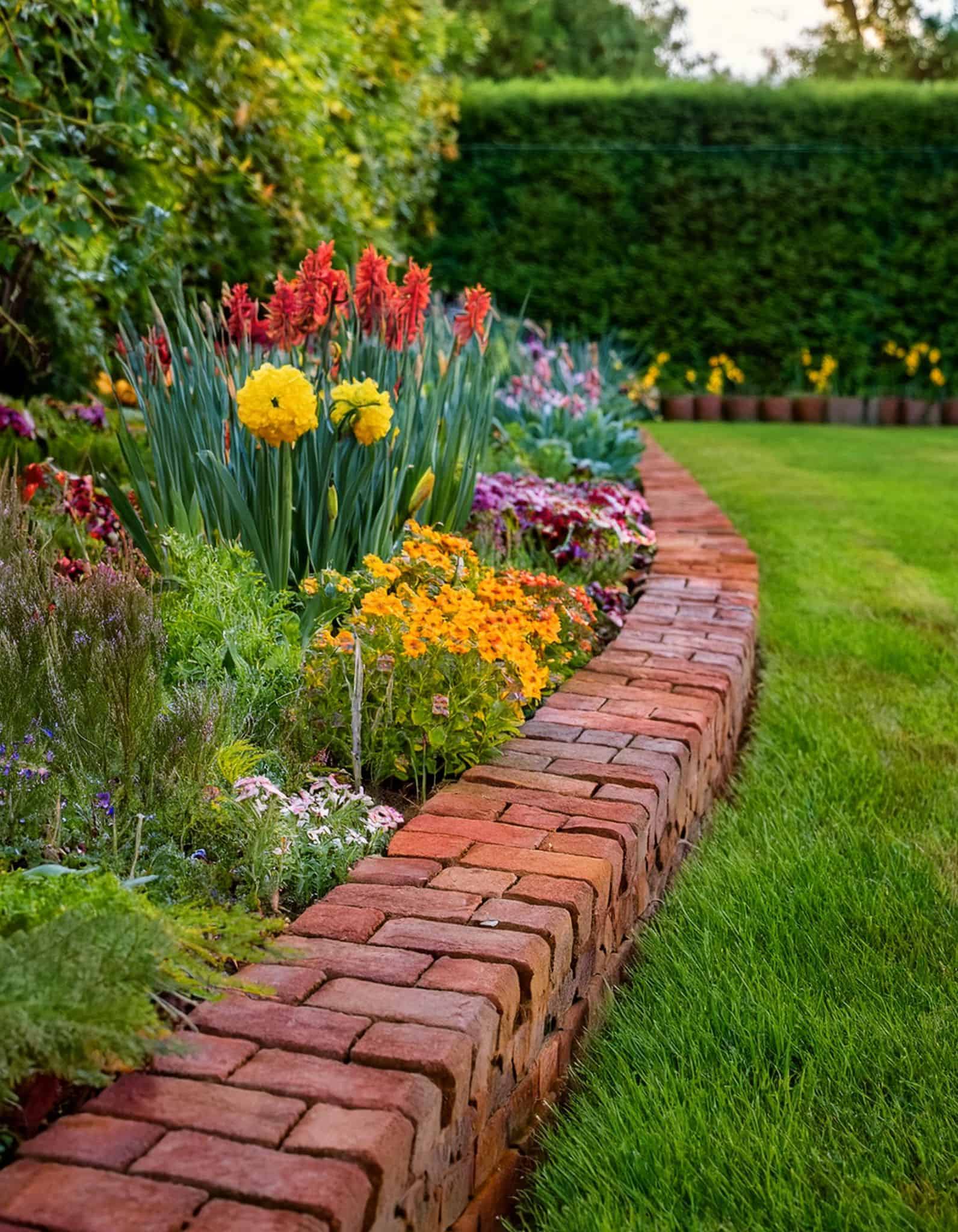
Achieve Stunning Brick Borders with Easy-to-Use Pattern Rollers
Transforming ordinary edges into captivating features is a dream for many DIY enthusiasts and professional crafters alike. Whether you're enhancing a handcrafted pottery piece or laying down an expansive concrete patio, the allure of a perfectly textured brick border adds undeniable charm and sophistication. Enter the world of roller brick tools – a revolutionary approach that makes creating intricate, realistic brick patterns easier and faster than ever before. Forget the tedious, labor-intensive methods of old; with the right pattern roller, stunning brick borders are within reach for anyone.
The Magic of Roller Brick Technology: Why Rollers Over Stamps?
The innovation behind roller brick tools lies in their ingenious design, offering a distinct advantage over traditional stamping methods. Imagine being able to impart a continuous, uniform pattern without the hassle of aligning multiple individual stamps. This is precisely what pattern rollers deliver. They are designed for:
- Effortless Application: A simple roll across your medium, be it soft clay or freshly poured concrete, imprints a consistent and beautiful brick pattern. This ease of use significantly reduces the learning curve, making intricate designs accessible to beginners.
- Speed and Efficiency: Covering large areas quickly is a major benefit. Instead of lifting and repositioning heavy stamps repeatedly, a roller glides, completing sections in a fraction of the time. This is particularly valuable for extensive concrete hardscaping projects.
- Seamless Integration: Rollers excel at creating continuous patterns, often eliminating the visible seams that can sometimes plague stamped projects. The rolling motion ensures a fluid transition from one section to the next.
- Versatility for Curved Edges: One of the most significant drawbacks of rigid stamps is their incompatibility with curves. Roller brick tools, especially those designed for concrete borders, navigate curves with remarkable ease, allowing for graceful, flowing designs that complement any landscape.
- One-Person Operation: Many roller systems are designed for solo use, empowering individuals to tackle projects independently, saving on labor costs or making personal projects more manageable.
This "rolling design face" technology not only simplifies the process but also opens up a world of creative possibilities, allowing for patterns that feel natural and authentic.
Unveiling the Two Worlds of Roller Brick: Pottery vs. Concrete
The term "roller brick" encompasses a diverse range of tools, each specifically engineered for different artistic mediums. Understanding these distinctions is key to selecting the perfect tool for your project.
For the Artisan Potter and Crafter: Detailed Clay Impressions
In the realm of pottery and fine crafts, roller brick tools are miniature marvels. Think of beautifully carved wooden rollers, like those offered by MKM Pottery Tools. These typically feature:
- Fine Detail and Unique Designs: With a rolling design face often around 3 cm (1.2 inches) across, these rollers are capable of imparting incredibly intricate and unique brick patterns onto clay. The smooth carved texture ensures a clean release, leaving behind crisp, defined lines.
- Durable Wooden Construction: Crafted from wood and often finished with protective tung oil, these rollers are built for longevity. This ensures they can withstand years of creative use without degradation.
- Modular Handle Systems: Many pottery roller systems utilize a universal handle that allows for easy insertion and swapping of different roller designs. For instance, a single handle can accommodate various roller types (e.g., RM, RL, RS), providing incredible versatility without needing multiple full tools. This smart design saves space and money for serious crafters.
- Easy Maintenance: Cleaning is straightforward – usually just water and a soft toothbrush – ensuring the longevity and continued performance of the tool.
These smaller, precision-oriented roller brick tools are ideal for adding decorative borders to hand-built pottery, creating textured tiles, embellishing sculptures, or fashioning unique jewelry components.
For the Hardscaping Enthusiast: Robust Concrete Borders
When it comes to enhancing outdoor spaces, roller brick tools designed for concrete applications are a game-changer. Brands like Bon Tool offer robust solutions tailored for larger, more demanding projects:
- Larger Scale and "Worn Brick" Aesthetics: These rollers often feature a wider rolling face, such as 8-inch options, perfect for creating substantial borders around patios, walkways, and driveways. Patterns like "Worn Brick" provide a rustic, aged look that adds character and authenticity to concrete surfaces.
- Polyurethane Durability: Unlike wood, concrete rollers are typically made from sturdy polyurethane. This material is exceptionally durable, resistant to the abrasiveness of concrete, and flexible enough to ensure proper pattern transfer.
- Integrated Systems: Many concrete border roller kits include not just the roller but also a matching urethane border mat. This mat serves as a guide or an additional texture element, ensuring clean edges and a professional finish.
- Threaded Handle Compatibility: These rollers are designed to easily attach to standard threaded handles, making them user-friendly and compatible with existing toolkits.
Concrete roller brick tools enable homeowners and contractors to incorporate beautiful, patterned liner features into concrete without the cumbersome process of using traditional, heavy stamps. They are perfect for defining garden beds, outlining pool decks, or adding decorative flair to any concrete slab.
Mastering the Art: Tips for Flawless Roller Brick Borders
Achieving professional-looking results with your roller brick tool is all about technique and preparation. Here are some actionable tips:
- Surface Preparation is Paramount:
- For Clay: Ensure your clay is at a consistent leather-hard stage – firm enough to hold its shape but soft enough to accept the impression easily. Too wet, and the clay will stick; too dry, and it will crack.
- For Concrete: The concrete mix should be consistent and placed evenly. The timing is crucial – roll when the concrete has begun to set but is still pliable enough to take an impression without sticking. This usually requires some experimentation based on temperature, humidity, and concrete mix.
- Apply Consistent, Even Pressure: The key to a uniform pattern is steady, even pressure across the entire width of the roller. Practice on a scrap piece of material first to get a feel for the necessary pressure. Uneven pressure will lead to shallow or blurry impressions in some areas.
- Ensure Cleanliness: Keep your roller brick tool meticulously clean. For clay rollers, immediately clean off any sticking clay with water and a soft toothbrush. For concrete rollers, wipe off excess concrete residue promptly after each section to prevent build-up, which can obscure the pattern. A well-maintained tool performs better and lasts longer.
- Seamless Overlaps: When rolling successive sections, especially with larger concrete rollers, aim for a slight, deliberate overlap of the pattern to ensure continuity. Some concrete roller kits even include a border mat that helps guide the roller and ensure perfect alignment.
- Enhance and Protect:
- For Concrete Borders: Once the concrete is cured, consider applying stains or integral colors to mimic the natural variations of real brick. Finish with a high-quality concrete sealer to protect the pattern from weather, wear, and fading.
- For Pottery Borders: After rolling, allow the clay to dry slowly and evenly to prevent warping or cracking. Glazing and firing will then lock in your beautiful brick pattern for a lasting finish.
Choosing Your Perfect Roller Brick Partner
With a variety of roller brick tools available, selecting the right one depends on your specific project and desired outcome. Consider these factors:
- Material Compatibility: Are you working with soft clay for intricate designs or robust concrete for an outdoor patio? Ensure the roller's material and design are suited for your medium.
- Pattern and Aesthetic: Do you desire a finely detailed, classic brick look or a rustic, "worn brick" texture? Different rollers offer distinct aesthetic qualities.
- Project Scale: For small pottery pieces, a 3cm roller is ideal. For large concrete borders, an 8-inch roller will be far more efficient.
- Handle System: Evaluate the ergonomics and versatility of the handle. A modular system that allows you to swap out different roller designs with one handle (like MKM's RH-1) can be a cost-effective and convenient choice for diverse crafting needs.
- Durability and Maintenance: Consider the construction materials (wood with tung oil vs. polyurethane) and the ease of cleaning, especially for concrete applications where timely cleaning is critical.
To delve deeper into selecting the ideal tool for your specific needs, explore our guide on How to Choose the Best Brick Pattern Roller for Your Project. For a detailed comparison of popular brands and their offerings, be sure to read MKM vs. Bon: Uncovering Top Brick Texture Rollers for Craft & Concrete.
Whether you're a seasoned artisan or a weekend warrior, the right roller brick tool can elevate your projects from ordinary to extraordinary. With their ease of use, speed, and ability to create stunning, realistic patterns, these rollers are an indispensable addition to any crafter's or hardscaper's toolkit. Embrace the simplicity and creativity that pattern rollers offer, and watch your visions of beautiful brick borders come to life with remarkable ease and precision.